Gambling addiction, also known as compulsive gambling, is a serious mental health disorder that can have severe consequences on an individual’s life. It is essential to recognize the signs and symptoms of gambling addiction to provide timely intervention and support. According to the Canadian Centre for Substance Use and Addiction, approximately 3.2 million Canadians, or about 1 in 10, experience some level of gambling problem. For those who enjoy online casino games, such as the ones offered by the jeetcity casino app, being aware of the risks is crucial.
In 2026, the online gaming industry continues to grow, with more people having access to various casino platforms. While this can be a fun and entertaining hobby for many, it can also lead to addiction for some. As the popularity of online casinos increases, it’s essential to acknowledge the potential risks and take steps to prevent addiction.
Introduction to Gambling Addiction
Gambling addiction can affect anyone, regardless of their background or socioeconomic status. It is characterized by an inability to control one’s betting habits, leading to negative consequences in various aspects of life. The Canadian Mental Health Association reports that individuals with a gambling addiction are more likely to experience depression, anxiety, and other mental health issues.
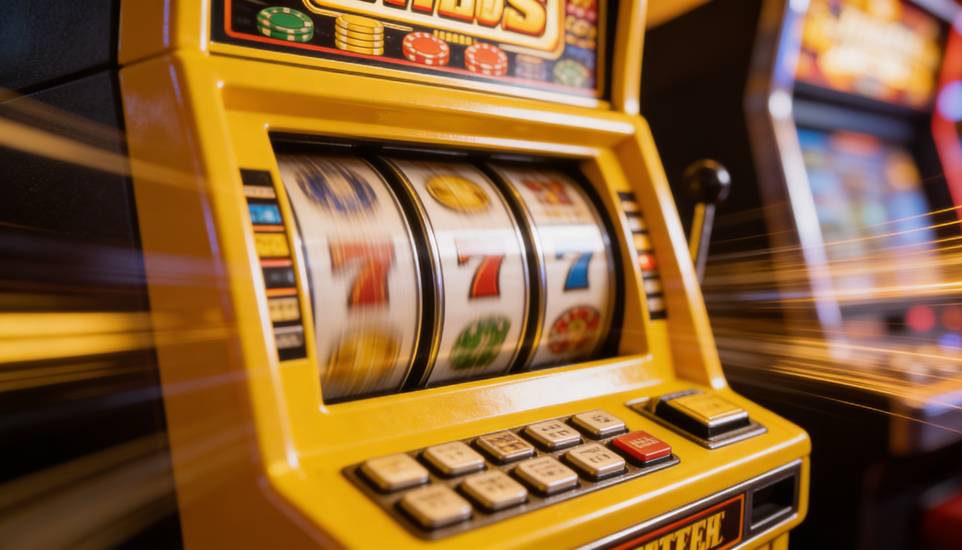
The signs of gambling addiction can be subtle, making it challenging for individuals to recognize the problem. However, being aware of the common symptoms can help identify potential issues early on. Some of the warning signs include increased betting amounts, loss of control, and neglect of responsibilities.
Common Signs and Symptoms of Gambling Addiction
The following table outlines some of the common signs and symptoms of gambling addiction:
| Symptom | Description | Severity |
|---|---|---|
| Increased betting amounts | Betting more money than intended | High |
| Loss of control | Inability to stop or reduce betting | High |
| Withdrawal symptoms | Feeling anxious or irritable when not betting | Medium |
| Neglect of responsibilities | Ignoring work, family, or social responsibilities due to betting | High |
| Chasing losses | Betting more to recover lost money | High |
These symptoms can vary in severity and may not be immediately apparent. However, if you or someone you know is experiencing several of these symptoms, it may be indicative of a gambling addiction.
Causes and Risk Factors of Gambling Addiction
Biological Factors
Biological factors, such as genetics and brain chemistry, can contribute to the development of gambling addiction. Research suggests that individuals with a family history of addiction are more likely to develop a gambling addiction. Additionally, imbalances in brain chemistry, such as serotonin and dopamine levels, can also play a role in the development of addiction.
Environmental Factors
Environmental factors, such as exposure to gambling at a young age and social pressures, can also contribute to the development of gambling addiction. Easy access to online casinos and the normalization of gambling in social settings can increase the risk of addiction.
Consequences of Untreated Gambling Addiction
Untreated gambling addiction can lead to severe financial, emotional, and social consequences, including bankruptcy, relationship problems, and mental health issues. The financial costs of gambling addiction can be significant, with the average Canadian problem gambler experiencing debts of over $20,000. Emotional and social consequences can also be devastating, leading to isolation, depression, and even suicidal thoughts.
In extreme cases, untreated gambling addiction can lead to criminal behavior, such as theft or fraud, to support the gambling habit. It is essential to address the addiction early on to prevent these severe consequences.
Treatment and Recovery Options
Therapy and Counseling
Therapy and counseling can help individuals overcome gambling addiction by addressing underlying issues and developing coping strategies. Cognitive-behavioral therapy (CBT) and motivational interviewing (MI) are two effective approaches used to treat gambling addiction. These therapies can help individuals identify and challenge negative thought patterns and behaviors associated with addiction.
Support Groups
Support groups, such as Gamblers Anonymous, can provide a sense of community and accountability for individuals recovering from gambling addiction. These groups offer a safe and supportive environment where individuals can share their experiences and receive guidance from others who have gone through similar struggles.
Author
Chidi Traore is a renowned expert in poker strategy and tournament coverage, bringing years of experience and insight to the world of online gaming.
Frequently Asked Questions
What are the warning signs of gambling addiction in a loved one?
Warning signs include increased betting amounts, loss of control, and neglect of responsibilities.
How can I help someone with a gambling addiction?
Encourage them to seek professional help, such as therapy or counseling, and offer support and guidance throughout the recovery process.
Is it possible to overcome gambling addiction without professional help?
While it may be possible, it is highly unlikely, and seeking professional help is usually the most effective approach.
What are the most effective treatment options for gambling addiction?
Cognitive-behavioral therapy (CBT) and motivational interviewing (MI) are two effective approaches used to treat gambling addiction.
How can I prevent relapse after recovering from gambling addiction?
Continuing therapy, attending support groups, and avoiding triggers can help prevent relapse and maintain long-term recovery.